

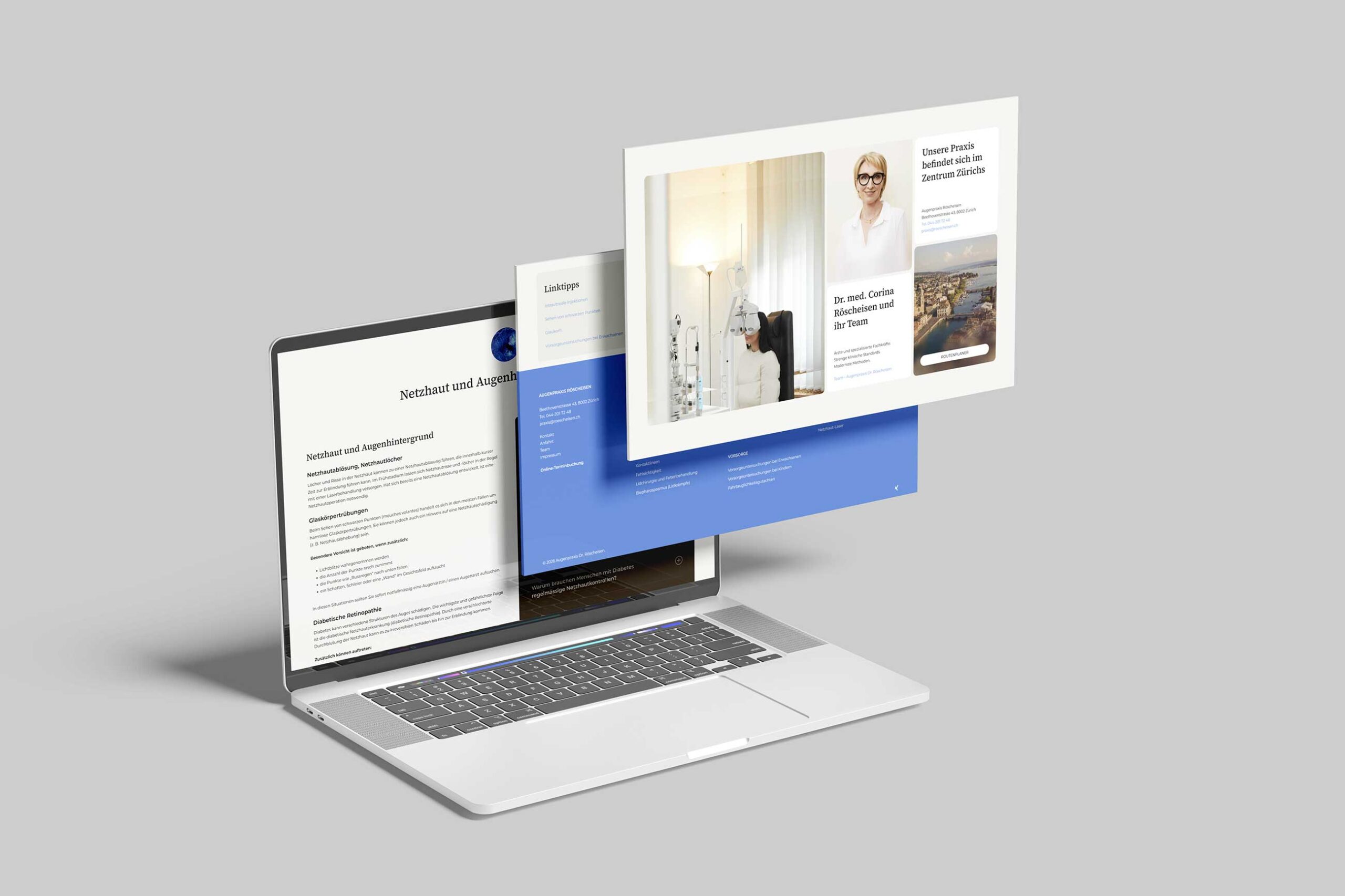
Dr. Röscheisen’s Eye Clinic, Zurich
Year
2025 – 2026
Deliverables
- Positioning
- Branding and Design
- Content Research and Editing
- Website Relaunch
- Domain-based structured data with Aivis-OS
From a Patient’s Question to the Practice’s Response
Anyone who suddenly notices black spots in their field of vision will first look for an explanation.
For the Röscheisen Eye Clinic, I used these kinds of questions as the starting point for a new website: researched content, medically reviewed, clear positioning, and domain-based delivery using Aivis-OS.
In the Beginning
An observation.
The previous website was outdated and nearly impossible to maintain. The practice wanted to win back visitors it had lost through search engines. AI Visibility wasn’t initially on their list. My task was to create a modern website that guides people to the practice with their questions.
One scenario kept coming to mind: Someone notices in the morning that they look different and asks Google what might be causing it. They’re aware of what they’ve observed, but they don’t yet know the medical term for it.
Today, in addition to links, Google answers such questions with an AI-generated response called “AI Overviews.” I focused the content development on these. To do this, the practice needed to be able to provide clear and medically sound answers to the questions people actually ask.
The brief symptom descriptions on the old website weren’t sufficient for this. A single line can be read quickly, but it rarely conveys much information.
Questions become articles that a doctor stands behind
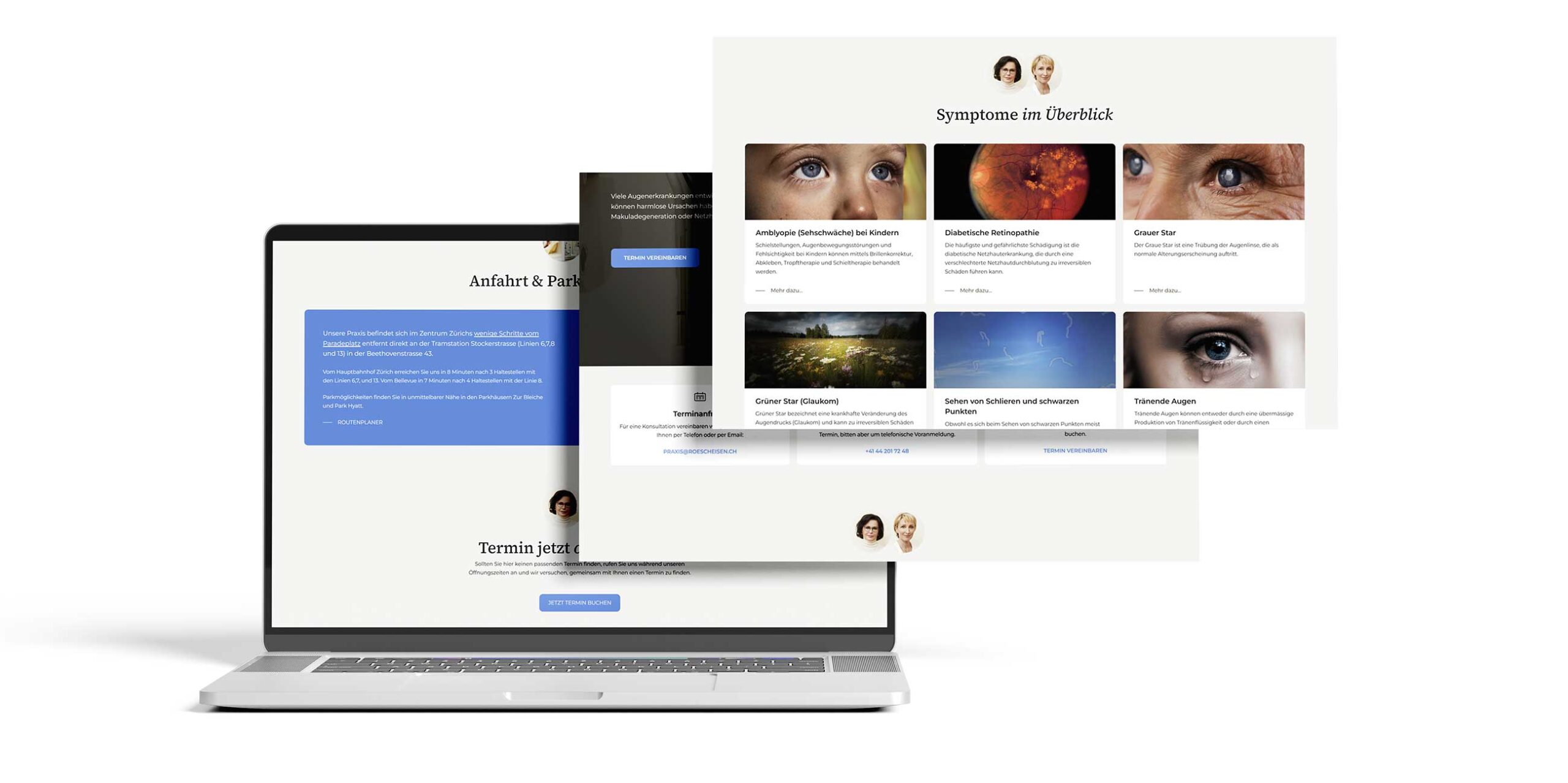
Using various tools, I compiled the questions people ask about the eye and gathered the relevant specialized literature. The answers formed the basis for a large collection of texts covering symptoms, examinations, treatments, and practical questions related to scheduling an appointment.
Dr. Röscheisen then reviewed everything from a professional standpoint. She corrected the texts and adapted them to the treatments actually provided at her practice. This feedback was an essential part of the work.
After all, general medical knowledge covers much more than what a single practice offers. The text must clearly indicate what services the practice actually provides, what it advises on, and which procedures it merely explains. A description of medicine does not constitute a service promise from a specific provider.
Each section was assigned a specific purpose. The symptoms pages help people identify what they’re experiencing. The treatment pages explain what conditions can be treated. The preventive care pages answer questions that arise even before symptoms appear. The services pages show what the practice itself offers. Links connect everything and lead to contact information or appointment scheduling.
This is how a large body of text is turned into a usable website. The length alone wouldn’t have been much help to us.
A broad range of expertise should feel that way, too
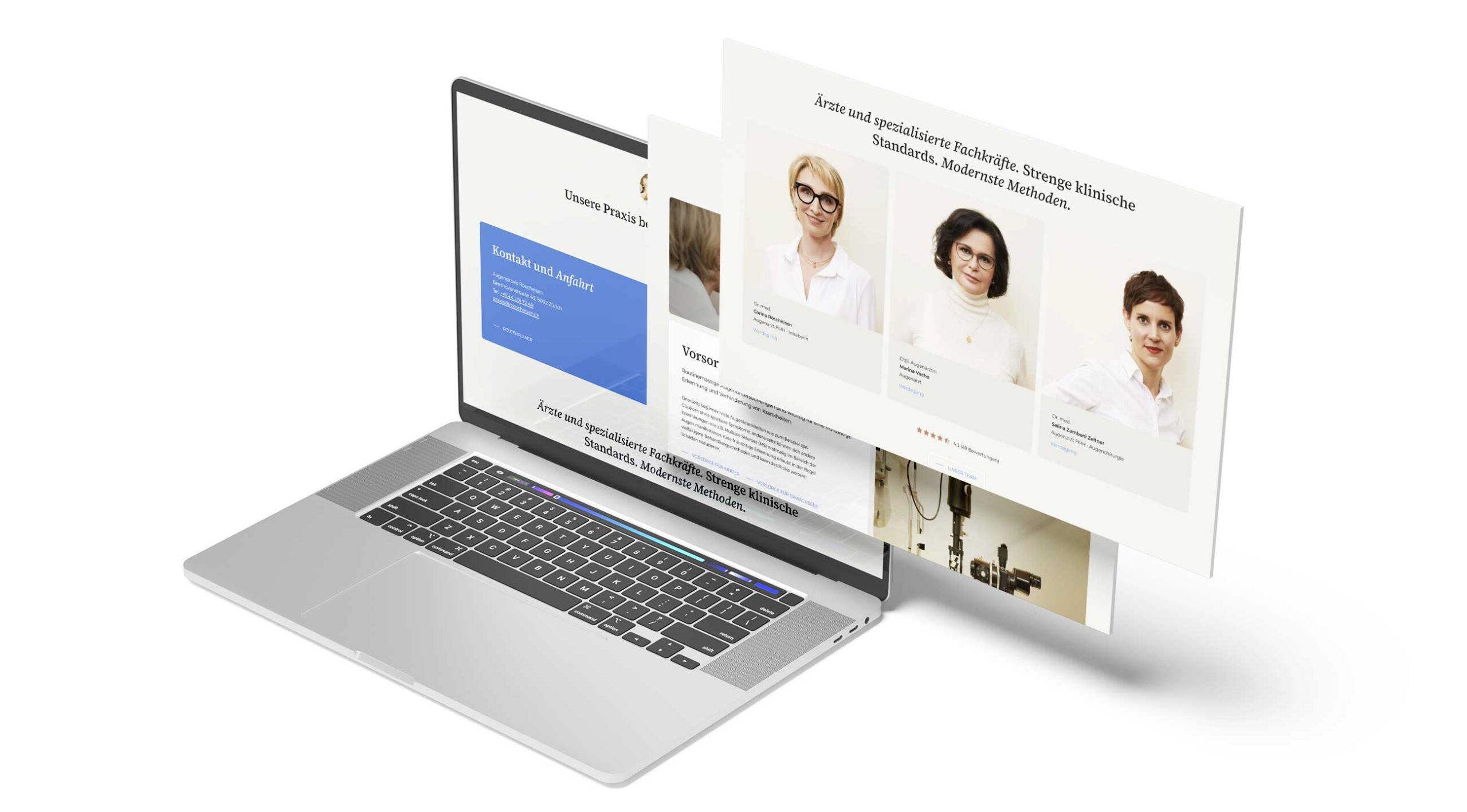
The second step was positioning. The practice employs several doctors. The new brand identity was intended to reflect this diversity while also conveying elegance, a sense of security, and quality.
I drew inspiration for the design from aesthetic medicine clinics. I was interested in how they combine professional excellence with a welcoming atmosphere. I applied that to the brand and design of the eye clinic.
For me, this is a decision based on content. Anyone concerned about their eyes will also encounter the people and the place they are supposed to entrust themselves to on the website. The technical explanation, imagery, and design must all work together. A carefully crafted text paired with a haphazard presentation would tell two different stories.
Data is coming from the new source
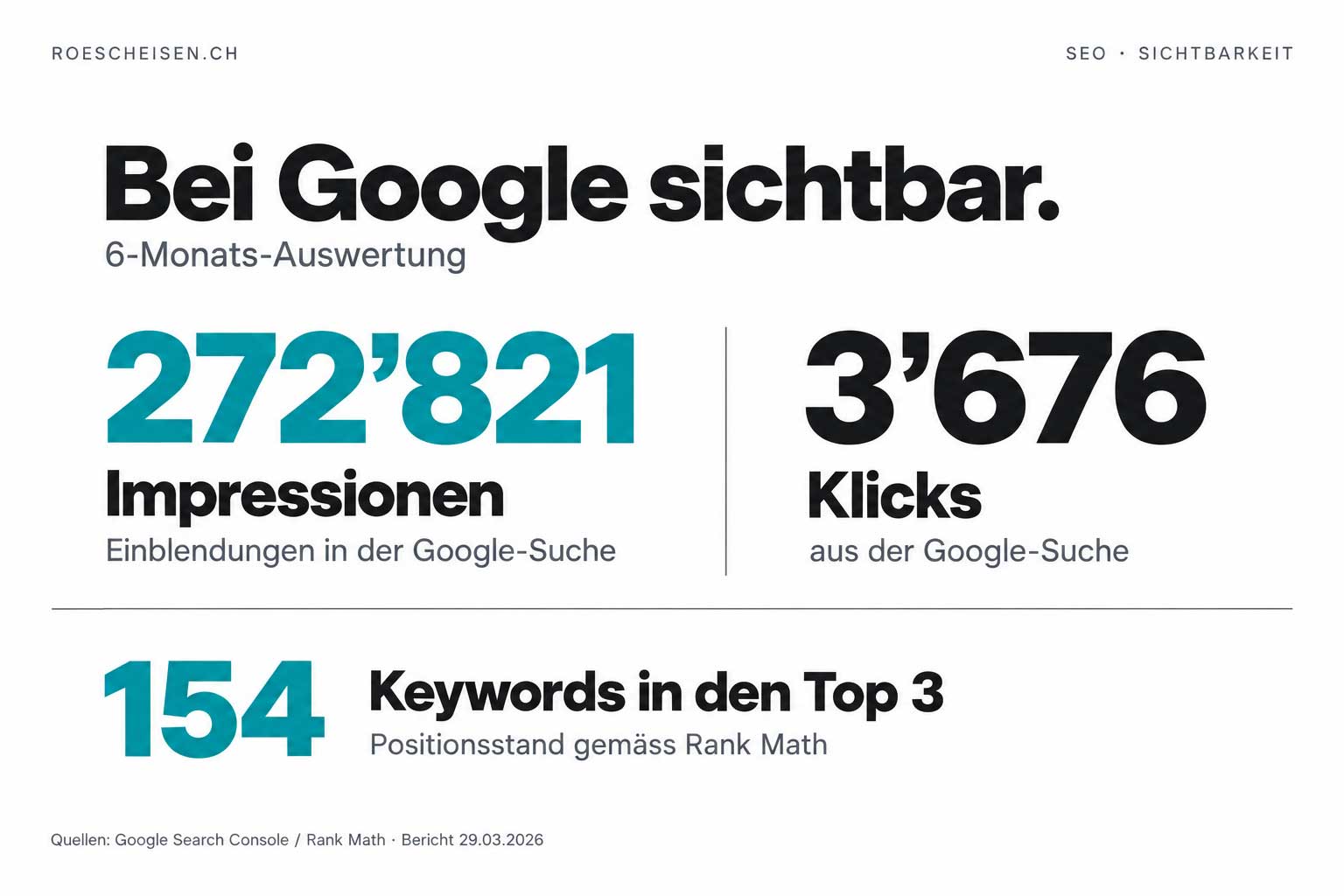
The content had been rewritten and reviewed by the doctor. This had already clarified the technical details and what the practice actually offers. On this basis, I was then able to proceed with the structured delivery using Aivis-OS.
Aivis-OS generated domain-based structured data. The practice, the treating professionals, the medical topics, examinations, and services are described once, along with their relationships, and each page retrieves the information relevant to it. No information is re-entered on each page. The data was imported using the Aivis-OS WordPress plugin.
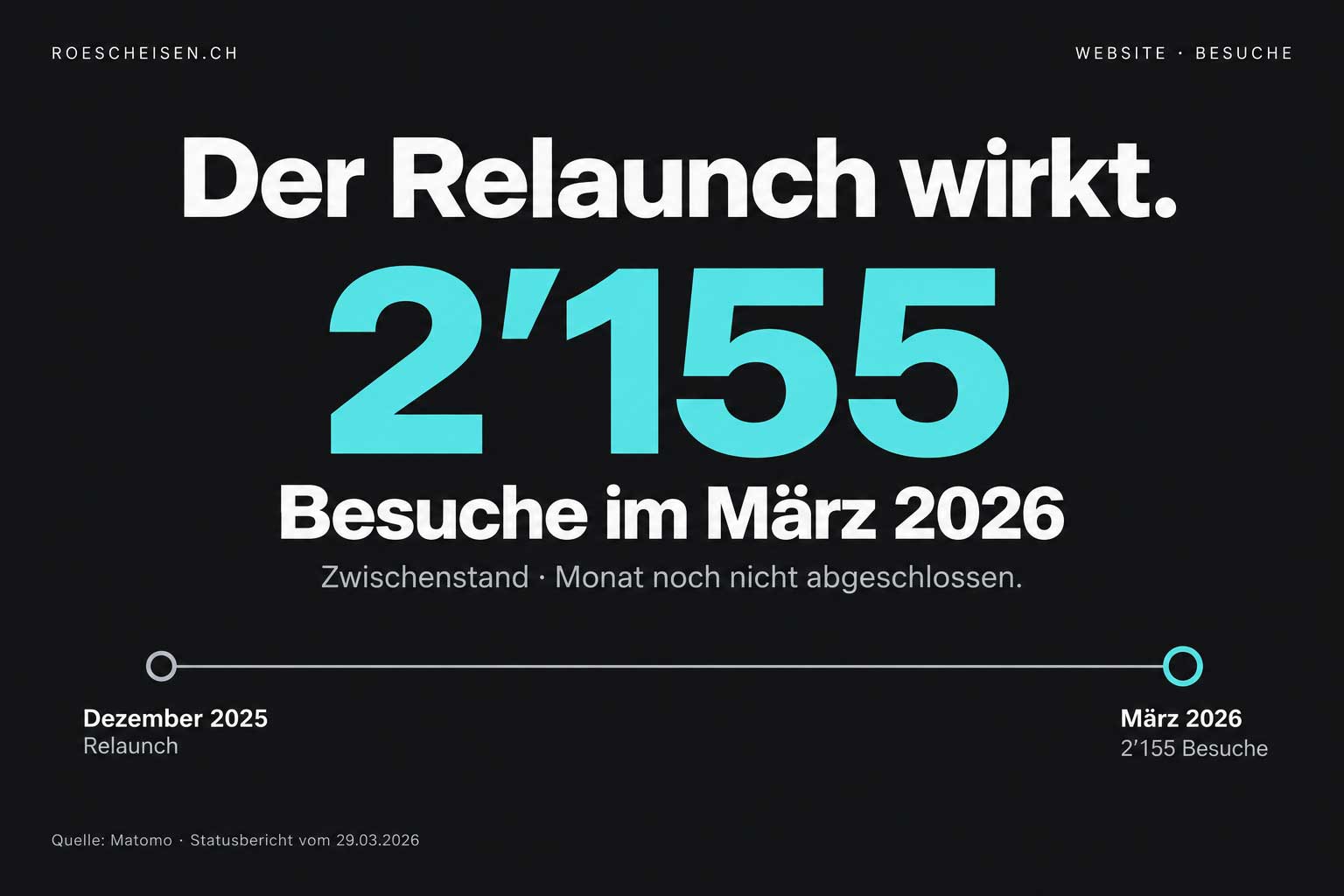
The final report included 42 page-specific entries. On March 29, 2026, I notified the practice that the project was complete and submitted the status report.
In this project, machine-readability spanned everything from patient inquiries to technical publications. The data builds on what the content team has started. Its quality begins with what the practice can actually say and offer.
Presence in Generative Search
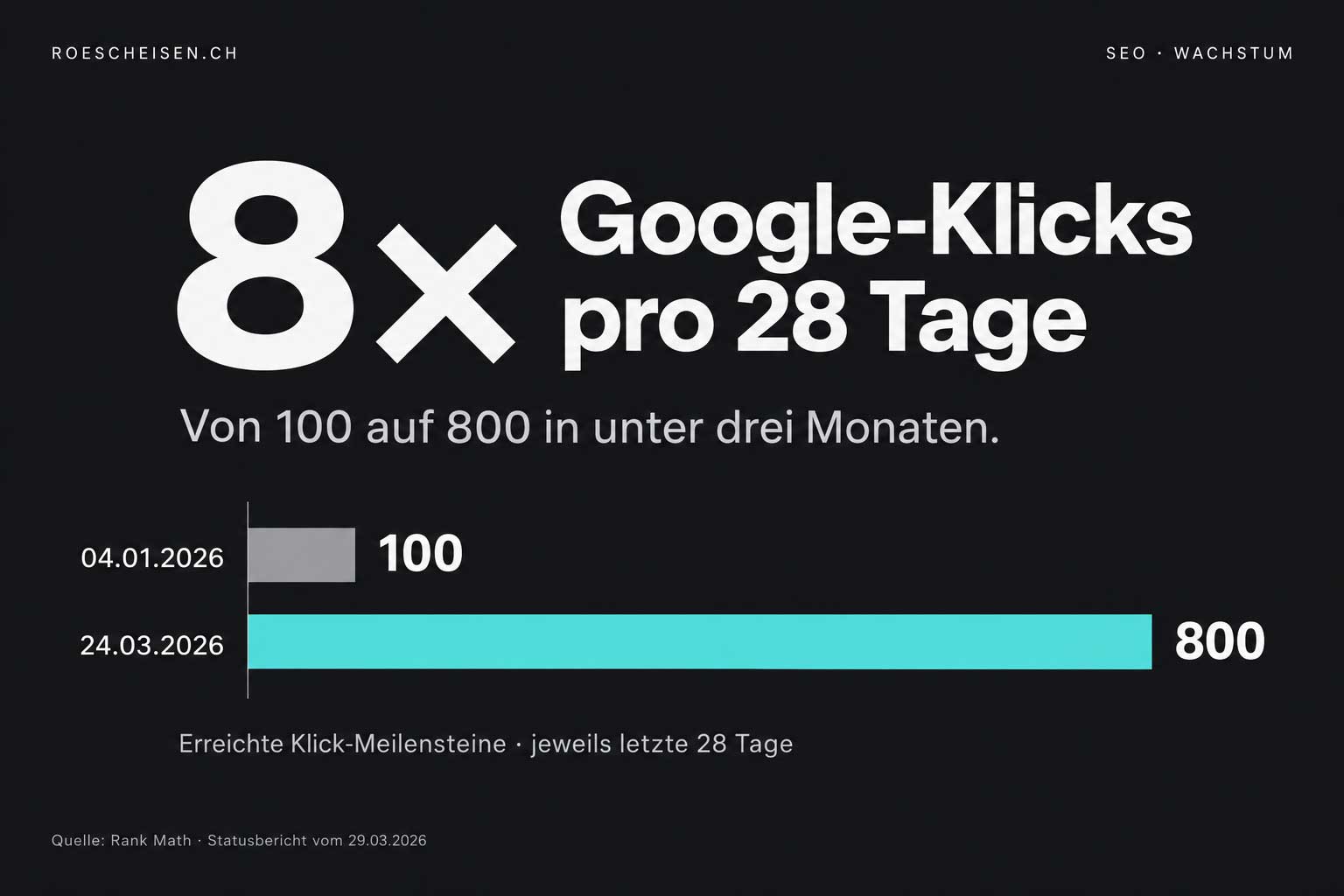
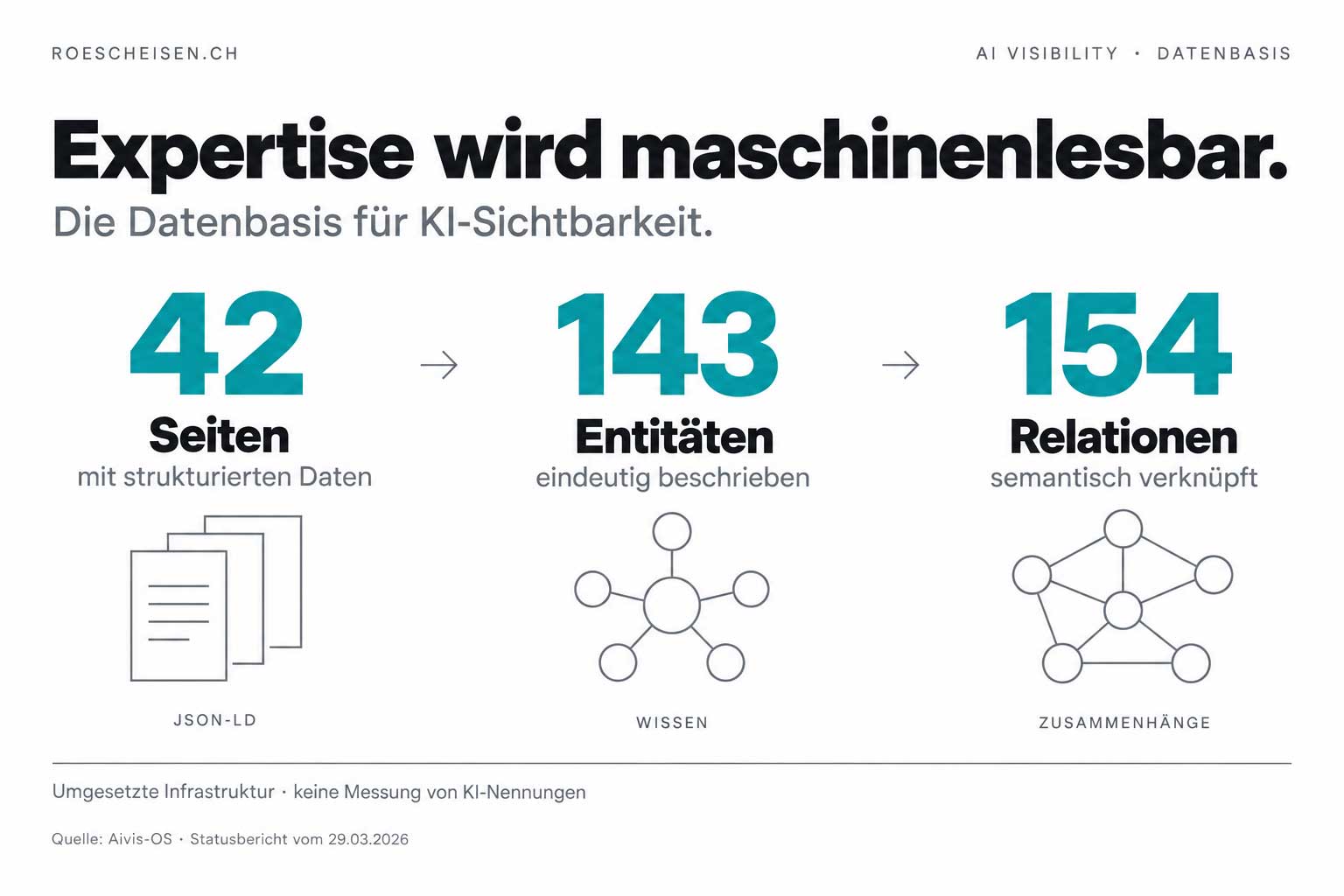
The Google Search Console data from September 21, 2026, shows the results. The search performance metrics for the last 6 months show 5,280 clicks and 639,020 impressions. The report on generative search features lists 53,273 impressions for the same period; Google summarizes AI Overviews and AI Mode in this report.
The most revealing page is the one on “seeing black dots”: 28,973 impressions in the AI report. It all started with exactly this kind of observation. It was turned into an explanatory text that Google linked to in its AI responses.
How It Works
Not a coincidence, but a method.
Every reference on this website was created in the same order: first, decide what the brand stands for; then, distill what it embodies; next, develop content that both people and machines can read; and finally, deliver and test it. Whenever specialists were needed, they were there. As a child, I wanted to be a Lego builder. Making brands systematically effective is almost just as satisfying.
Who's Behind It
What I Offer
This is usually where a digital agency would showcase its range of services, from UX to IT. For me, there’s just one task here—but it includes everything needed to accomplish it: making companies machine-readable so they remain visible—and as themselves. The work follows a sequence. You can jump in wherever you are right now. The overview shows how everything fits together.
Deliver and inspect
Request an Initial Consultation